


Información sobre la cultura hawaiana
 Cultura
Artes y cultura hawaianas: La expresión de aloha
Historias de las islas hawaianas

Ea Mai Hawaiinuiakea
Los cantos relatan las personas, los lugares y los acontecimientos que hacen de Hawaiʻi lo que es. Ea Mai Hawaiinuiakea es un canto genealógico que narra el nacimiento de las islas y los descendientes de Haloa, el primer hawaiano.
Leer más
Puʻuloa’s Keeper
La gestión ambiental practicada por los hawaianos propició una relación recíproca y beneficiosa con las fuerzas de la naturaleza, como los legendarios tiburones que protegían a la gente de Puʻuloa, también conocido como Pearl Harbor.
Leer más
The Race of the Goddesses
Los extremos de la naturaleza en Hawái suelen interpretarse como las fuerzas de dioses y diosas. En el caso de la isla de Hawái, el fuego volcánico es el dominio de Pele, y la nieve sobre las cumbres de la isla, el dominio de Poliʻahu.
Leer másLearn Hawaiian Culture
Top Heritage Sites of Hawaiʻi
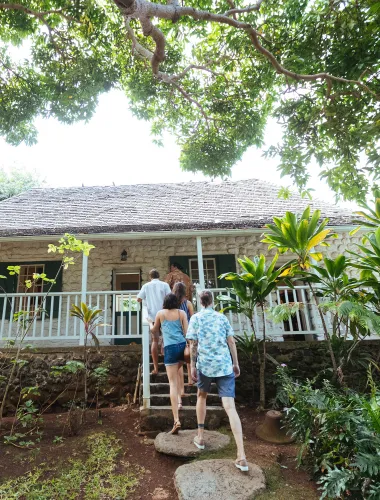
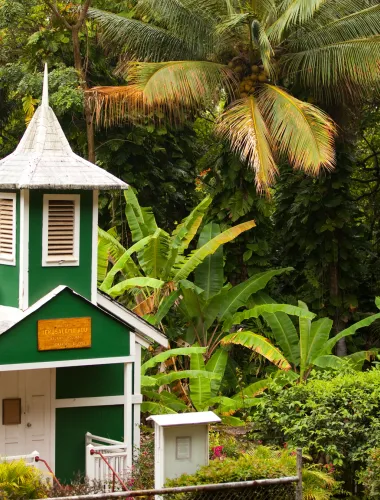
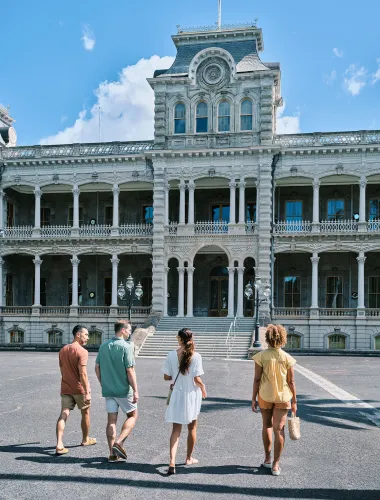

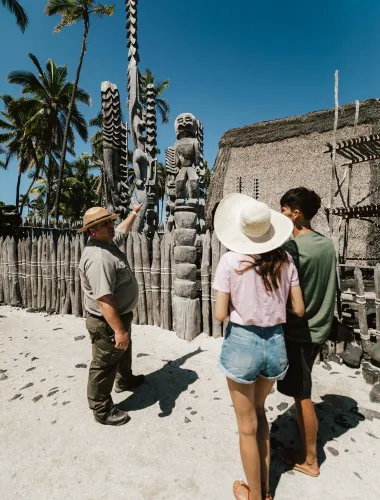
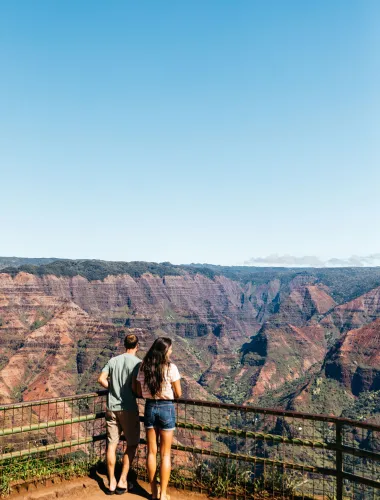
Ea Mai Hawaiinuiakea

Frequently Asked Questions
What are some traditional Hawaiian customs and traditions?
Hawaiian customs and traditions reflect respect, community and nature. Common practices include wearing lei, sharing meals at a lūʻau and speaking ‘Ōlelo Hawai‘i (Hawaiian language). Cultural expressions like hula pass down history, while the aloha spirit, mālama ʻāina (caring for the land) and ʻohana (family) shape meaningful relationships and responsibilities.
What is a hula performance?
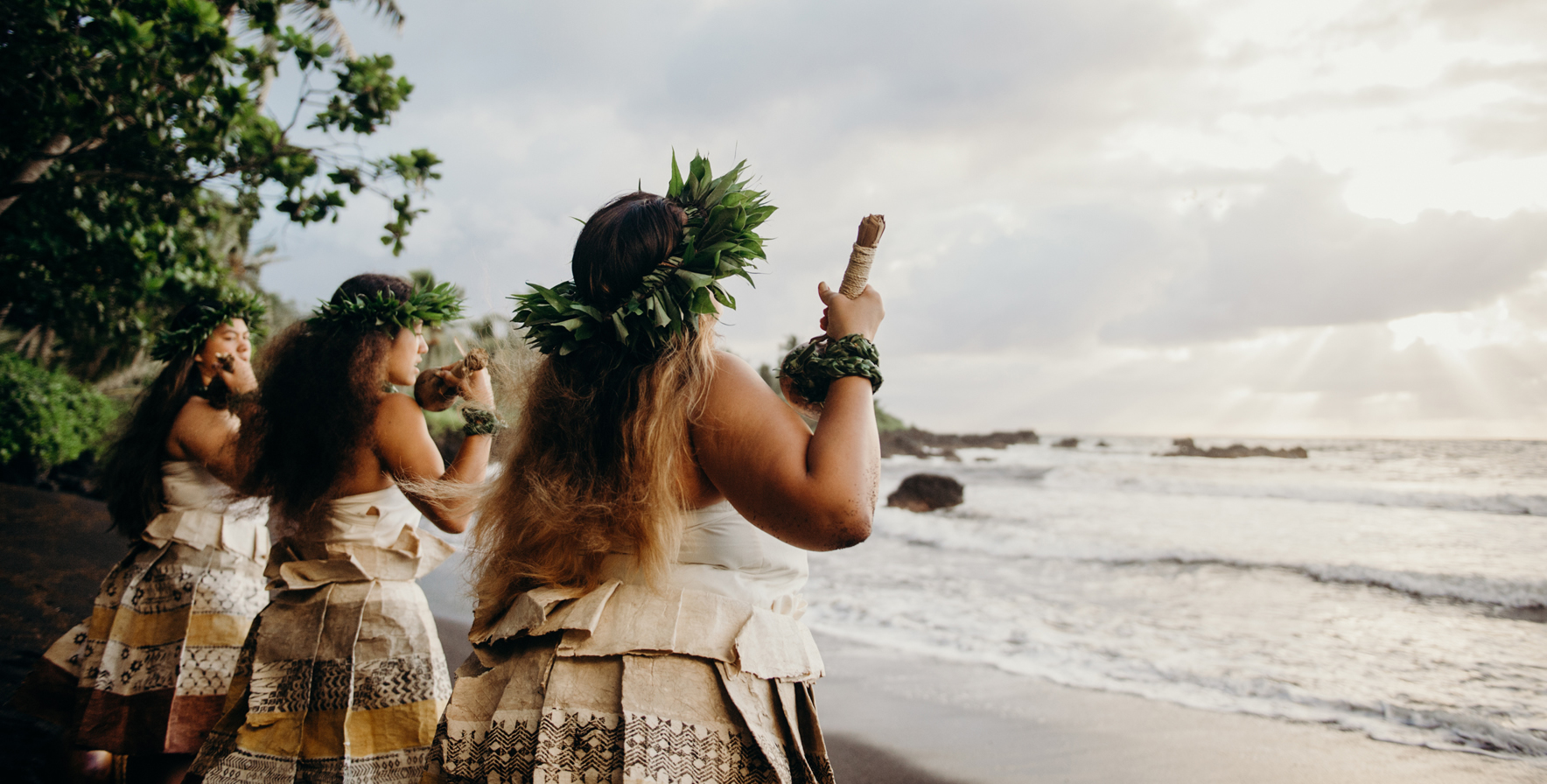
Hula is a cultural practice that has been passed down through generations across Hawaiʻi. Through movement, chant, and music, it shares history, genealogy, and stories rooted in Native Hawaiian traditions. Today, hula continues to be taught, practiced, and preserved by kumu hula (hula teachers), hālau hula (hula schools), and communities throughout the islands.
What is a lūʻau and what can visitors expect?
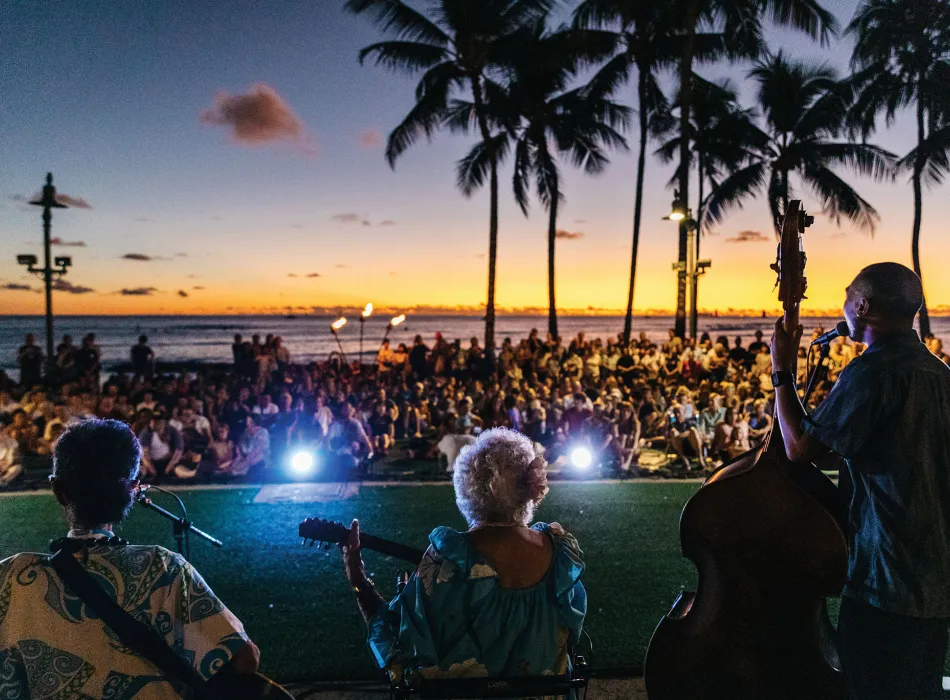
A lūʻau is a gathering that brings people together to share food, music and hula. Traditionally rooted in community celebration, today’s lūʻau may also welcome visitors to experience storytelling, performances and locally inspired cuisine in a group setting.
What is a lei and what does it represent?
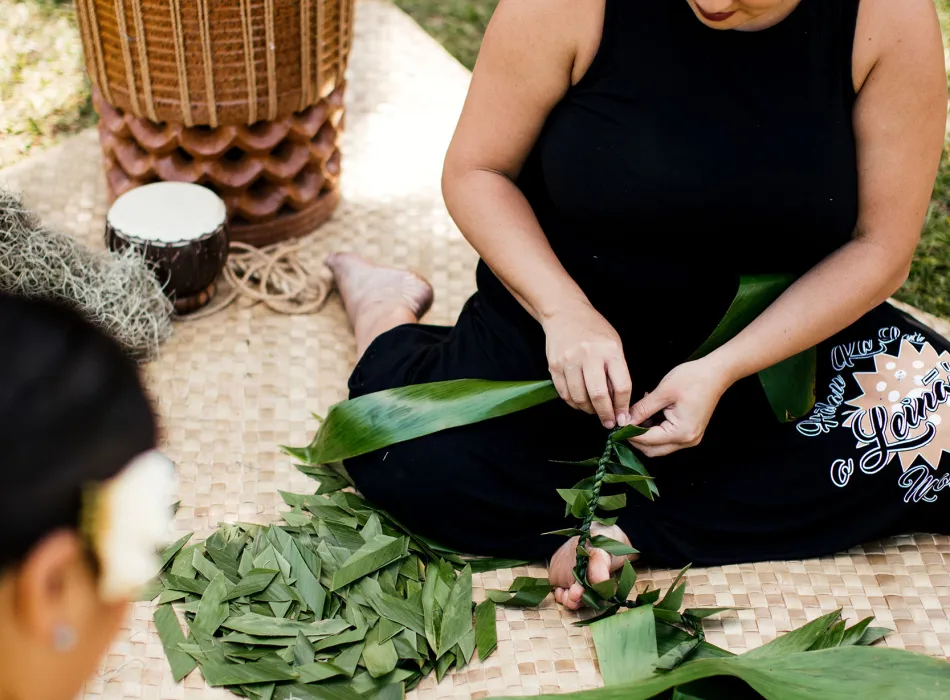
A lei is a garland made from flowers, leaves, shells or other natural materials, shared in the spirit of aloha. Wearing or giving a lei carries cultural meaning and should be offered and received with care and gratitude. It is considered disrespectful to throw away a lei, instead one should return it to the land by scattering the flowers into the ocean, burying them into a garden or hanging it from a tree to naturally decompose.
What are popular cultural and history museums in Hawaiʻi?
Popular cultural museums in Hawaiʻi include the Bishop Museum, ʻIolani Palace, Honolulu Museum of Art, Lyman Museum, Kauaʻi Museum, Kōkeʻe Natural History Museum, Huliheʻe Palace and the Pearl Harbor National Memorial.
What are the top cultural festivals and events in Hawaiʻi?
Top cultural festivals and events in Hawaiʻi include Aloha Festivals, Merrie Monarch Festival, Prince Lot Hula Festival, Kona Coffee Cultural Festival, King Kamehameha Day celebrations, Honolulu Festival, Kōloa Plantation Days and Eō E ʻEmalani I Alaka‘i Festival.
What should I know about Hawaiian culture before visiting?
Much of island culture is influenced by its core values, like aloha (compassion and respect), mālama ʻāina (caring for the land) and ʻohana (family and community). These principles shape daily life in Hawaiʻi and guide how visitors can interact thoughtfully with people and places.
Are there cultural etiquette tips visitors should know before visiting Hawaiʻi?
Yes. Visitors are encouraged to show respect for local communities, cultural sites and natural resources. Practicing aloha, caring for the land and ocean, following local guidance, and learning about Hawaiian history and traditions can help foster meaningful and respectful experiences.
How can visitors respectfully engage with Native Hawaiian culture?
Visitors can engage respectfully by learning about local customs, supporting Native Hawaiian-owned businesses and cultural practitioners, asking before entering culturally sensitive areas, following posted guidelines and practicing mālama ʻāina by caring for the places they visit.