 Regions
Molokaʻi at a Glance
Molokaʻi is Hawaiʻi’s second smallest populated island, only 38 miles long and 10 miles across at its widest point. It’s also less developed, with uninterrupted ocean views and small towns rather than high-rise buildings and big cities. There are three distinct regions of Molokaʻi to explore: Central Molokaʻi, West Molokaʻi and East Molokaʻi.

Regions of Molokaʻi

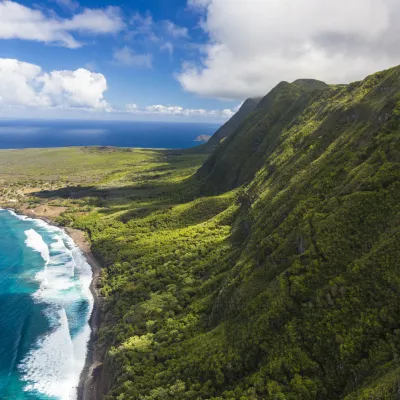
Unwind in Kualapuʻu’s rolling hills, on a guided tour of Kamakou Preserve and at local farms offering family-friendly adventures. Immerse yourself in culture and quiet escapes from busy spots.
Experience West Molokaʻi, from Pāpōhaku Beach’s golden sands to Kaunakakai Harbor’s coastal charm. Find pristine beaches, ocean adventures and relaxation in paradise.
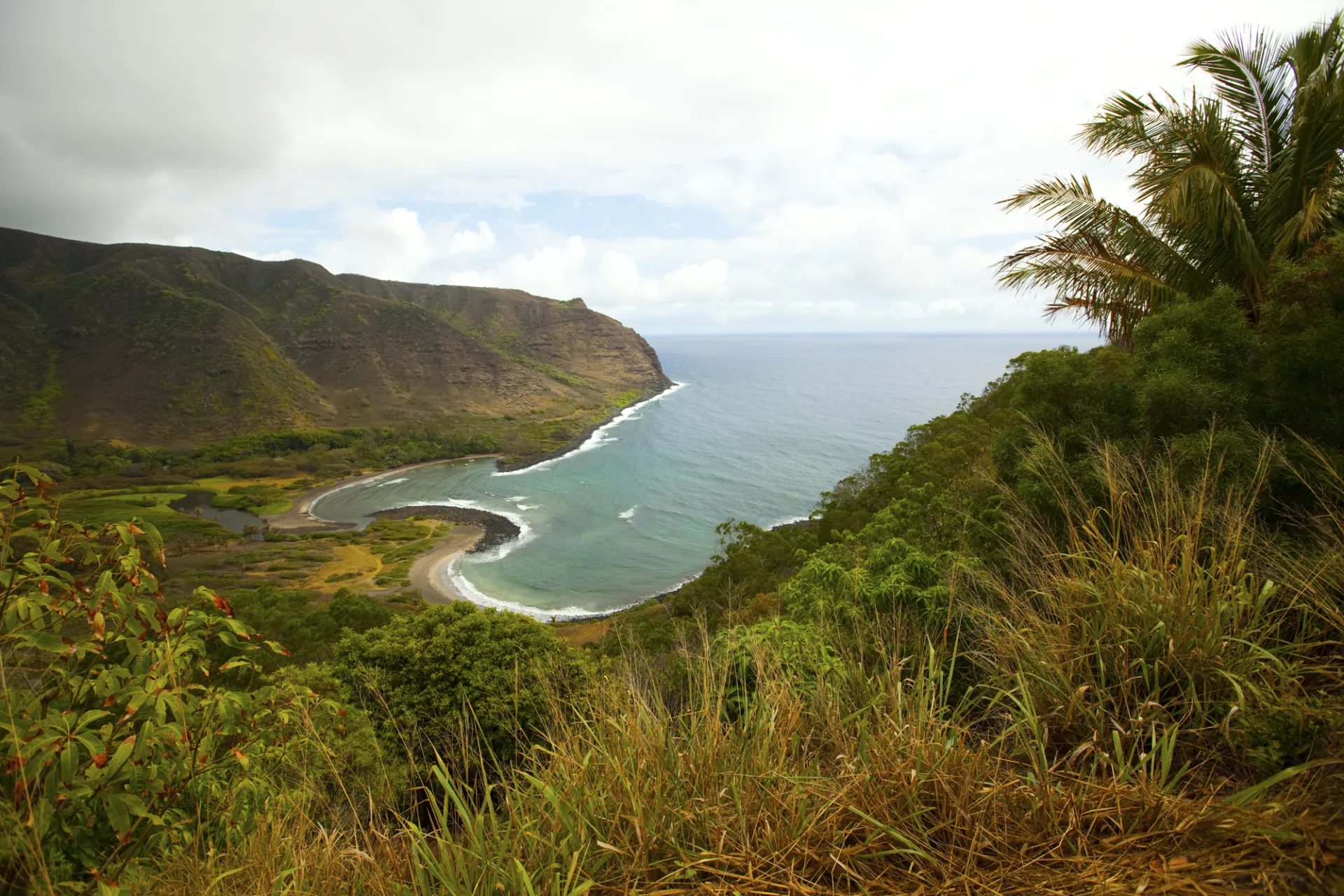
Marvel at Hālawa Valley’s lush rainforests on a guided tour, be awed at a serene coastal spot like Kūmimi Beach and get stunning views of the Waikolu Valley at the Waikolu Overlook.

Built from lava rock and coral, these 13th-century fishponds were etched into Molokaʻi’s shoreline to supply local aliʻi (royalty) with sustenance.

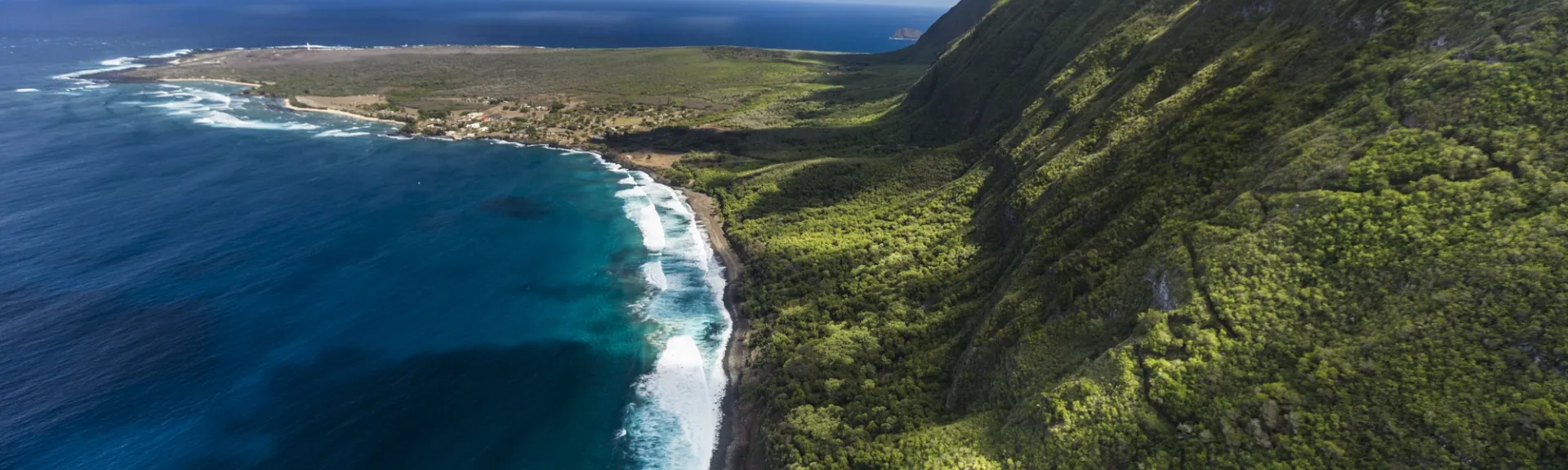
Take a memorable mule ride down the highest sea cliffs in the world to reach the incredibly remote—and formerly forbidden—settlement of Kalaupapa.
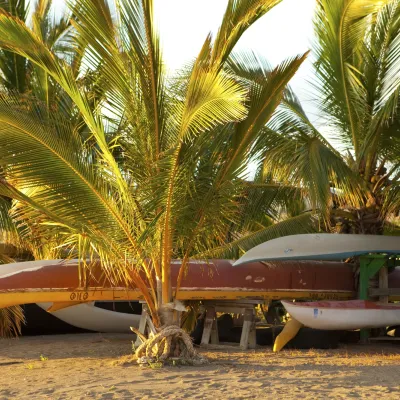
Browse unique local shops and eateries, visit historic landmarks and stroll down Hawaiʻi’s longest pier in Molokaʻi’s quaint main town.
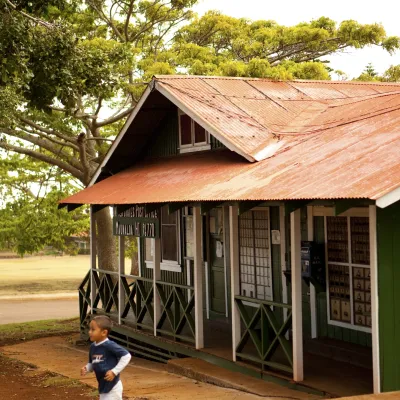
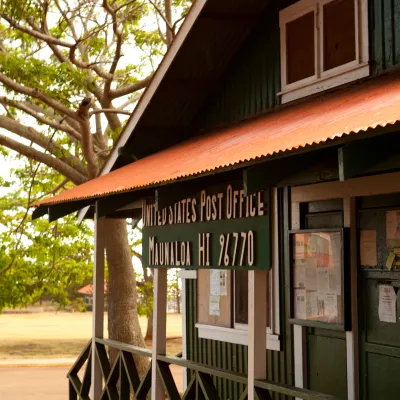
Venture to Maunaloa, a small plantation village set in the hills above the coast, where you’ll find unique shopping and lodging options.
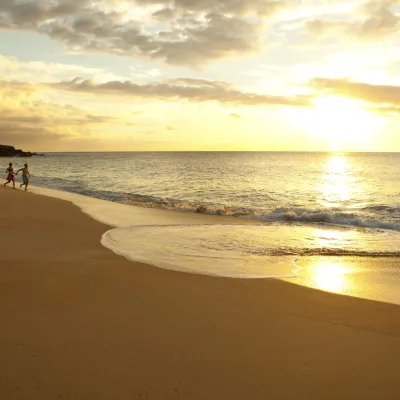
At three miles long, Pāpōhaku Beach is one of the largest white sand beaches in Hawaiʻi, offering distant views of Diamond (Diamond Head) on Oʻahu.

Take a guided hike into this impossibly lush cathedral valley, blessed with beautiful vistas and towering waterfalls that look straight out of the Jurassic Period.
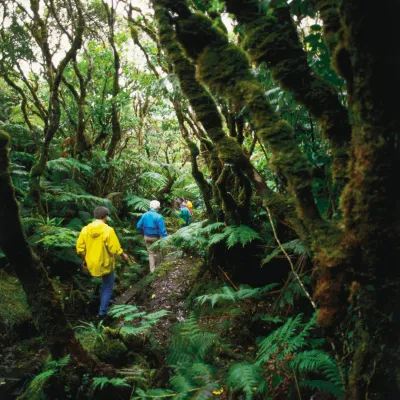
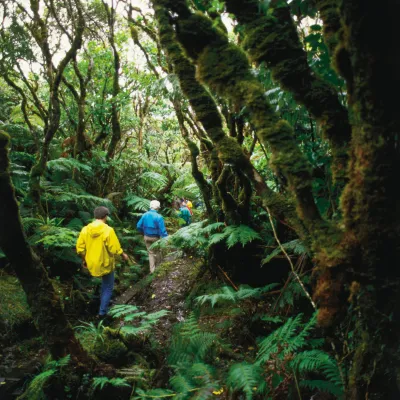
Hike beneath moss-covered branches in Kamakou Preserve, a nature conservancy site that contains rare native Hawaiian birds and plants.
Enjoy stunning views of the 2,000-foot-high cliffs and surrounding seascapes on one of the most remote settlements in the Hawaiian Islands.
In Molokaʻi’s West End, discover Maunaloa’s small-town charm, where family-run shops and local businesses carry forward the island’s heritage and way of life.
Take a guided hike through the Kamakou Preserve, a tropical paradise with breathtaking nature. Seasonal educational tours are limited, and a 4-wheel-drive vehicle is recommended. For self-guided tours, stop by The Nature Conservancy for an educational brochure.
Please note that permission is required for media and editorial coverage.
Get Your Free Molokaʻi Travel Planner Guide