
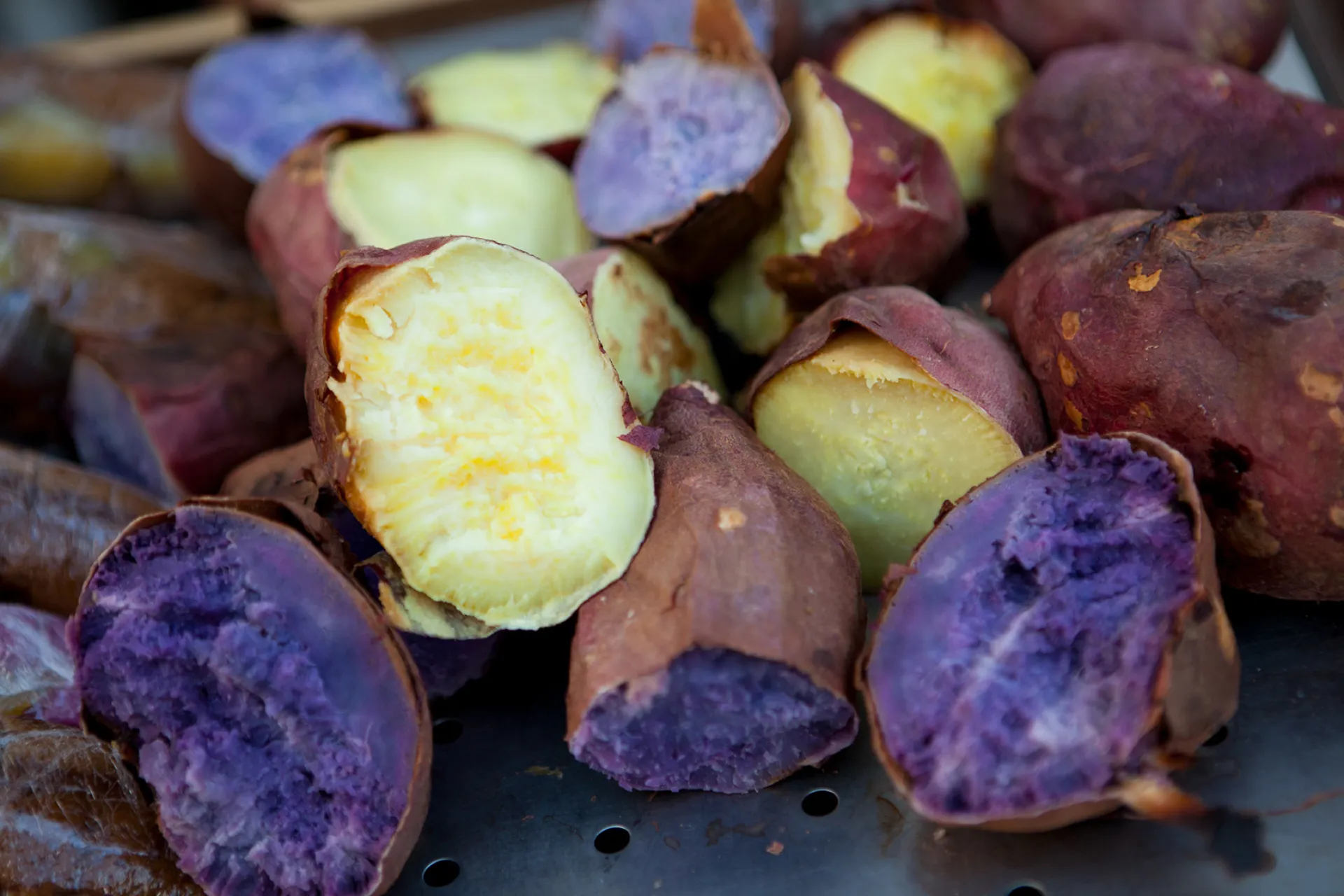
 Culinary Experiences
Ultimate Hawaiian Food Guide
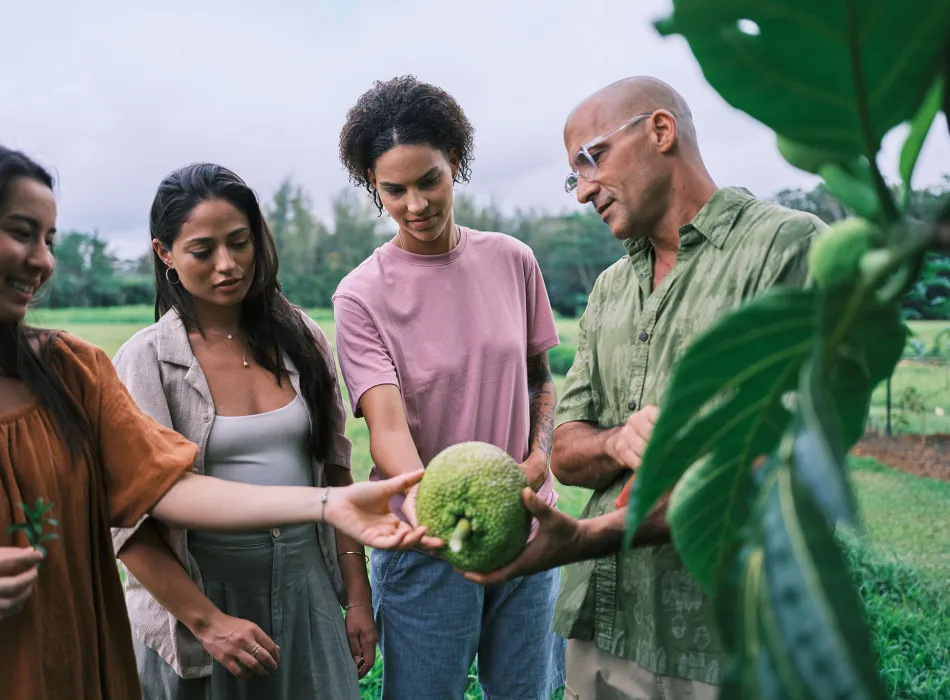
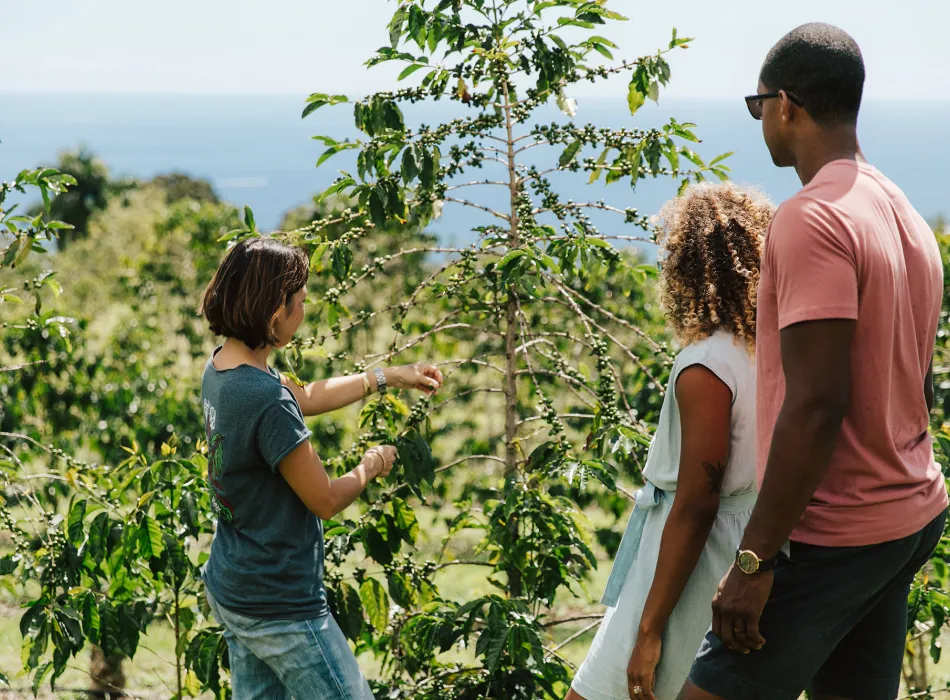
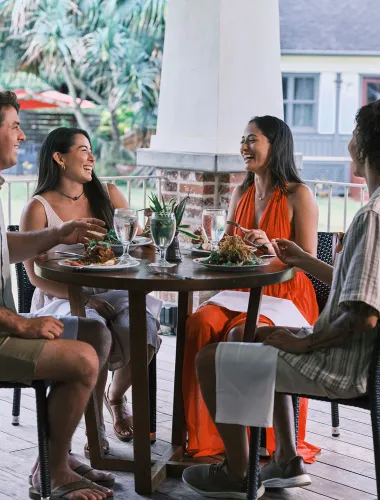
Hawaiʻi is a premier destination for travelers seeking unforgettable food experiences, blending tropical flavors, fresh seafood and rich cultural traditions. Visitors can explore local markets filled with locally grown fruits like papaya and pineapple, handmade treats and island-inspired snacks. Popular activities include guided food tours that showcase traditional dishes like kālua pig or poke, casual food truck hopping and beachfront dining experiences featuring freshly caught seafood. From farm-to-table tasting experiences to street-style island cuisine, Hawaiʻi delivers a diverse culinary scene.

Try Local Flavors
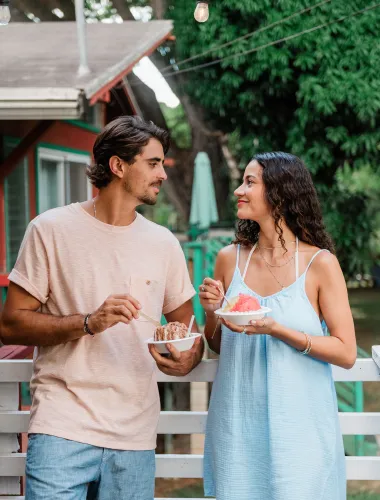
Hawaiian Cuisine
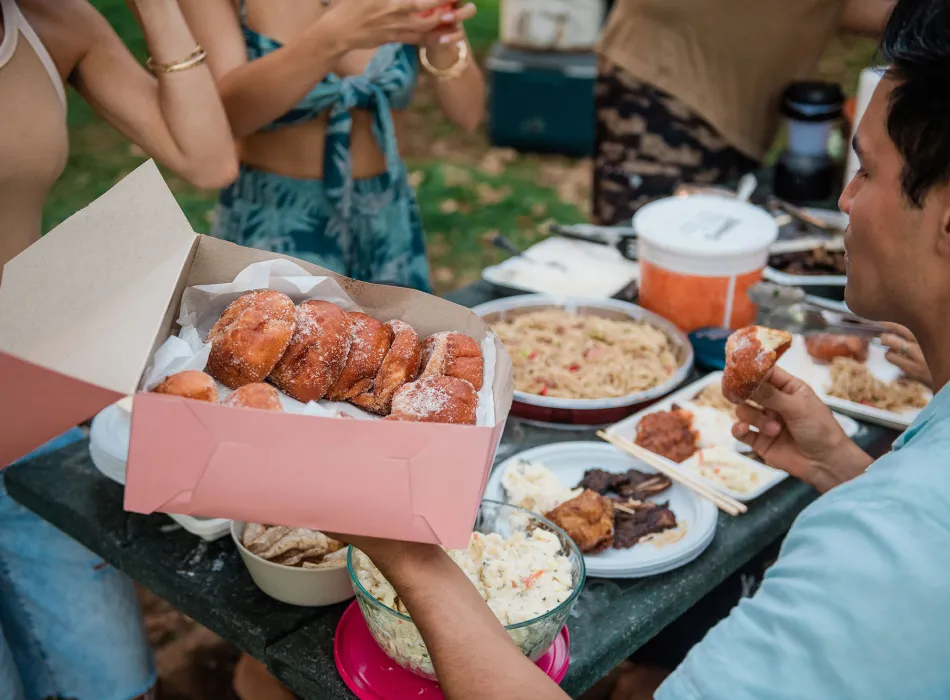
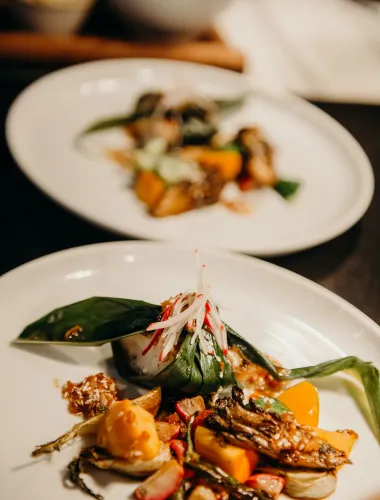
Some tasty delights you need to try include colorful shave ice, sweet malasadas, savory loco moco, fresh poke, traditional kālua pig and inventive pūpū platters at eateries.
Read More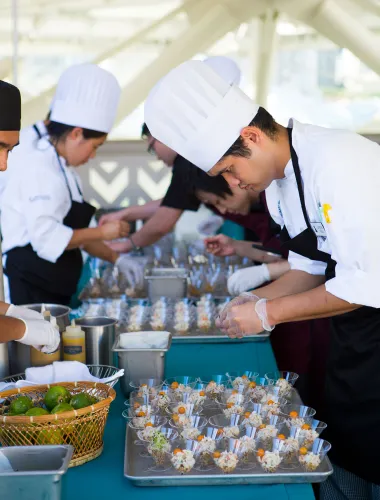
Food Festivals
Come hungry to top foodie celebrations like the Hawaiʻi Food & Wine Festival, Waikiki SPAM JAM®, Kauaʻi Chocolate & Coffee Festival, Kona Brewers Festival and the Kapalua Wine & Food Festival.
Read More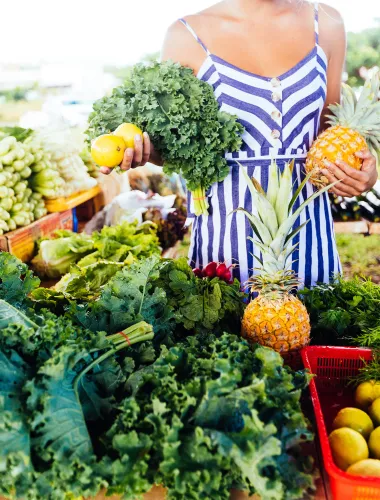
Farmers Markets
Each island puts on markets offering fresh local produce, artisan products, handmade gifts, colorful flowers and food vendors selling authentically delicious dishes.
Read MoreCulinary Experiences

Must-try Restaurants of Hawaiʻi
Frequently Asked Questions
What are the must-try foods in Hawaiʻi?
Some of the most popular foods in Hawaiʻi include kālua pig, poke, loco moco, malasadas, hulihuli chicken and shave ice. These dishes showcase the islands’ mix of local ingredients and multicultural influences, offering both savory and sweet flavors.
What are the top food festivals in Hawaiʻi?
The top food festivals in Hawaiʻi include the Hawaiʻi Food & Wine Festival, Waikiki SPAM JAM®, Kona Coffee Cultural Festival, Kapalua Wine & Food Festival, East Maui Taro Festival, Lāna‘i Pineapple Festival, Kona Brewers Festival, Kauaʻi Poke Fest and the Kauaʻi Chocolate & Coffee Festival.
Where can I try authentic island foods?
You can experience local food culture at farmers markets, food trucks, local eateries and neighborhood dining areas. These places offer authentic dishes made with fresh, locally sourced ingredients.
What is Hawaiian Regional Cuisine?
Hawaiian Regional Cuisine is a culinary movement that combines local ingredients with influences from Hawaiʻi's many cultures. The style emphasizes fresh seafood, locally grown produce and innovative preparations that showcase the flavors of the islands.
What is poke?
Poke, meaning “to cut” or “to slice” in Hawaiian, traditionally refers to pieces of raw fish seasoned simply with ingredients such as paʻakai (salt), limu (seaweed) and ʻinamona (roasted kukui nut). Modern poke has evolved to include a wide variety of seasonings and ingredients, including shoyu (soy sauce), sesame oil, green onions and other sauces and toppings.
What is a plate lunch?
A plate lunch is a popular local meal that typically includes a main protein, rice and macaroni salad. Common options include teriyaki chicken, chicken katsu, kalbi, hamburger steak and other local favorites. Rooted in Hawaiʻi’s multicultural plantation-era history, the plate lunch has become a casual-dining staple across the islands.
Can I find vegetarian or vegan food in Hawaiʻi?
Yes! While traditional cuisine often includes meat and fish, there are plant-based options such as poi (or mashed taro root), tropical fruits and soft serve. Most modern restaurants offer vegetable-based dishes, too.
What makes Hawaiʻi's cuisine unique?
Hawaiʻi's cuisine is shaped by the islands' rich cultural heritage and plantation-era history. During the 19th and early 20th centuries, immigrants from China, Japan, the Philippines, Portugal, Korea, Puerto Rico and other regions came to Hawaiʻi to work on sugar and pineapple plantations, bringing their culinary traditions with them. Over time, these diverse influences blended with Native Hawaiian ingredients and cooking practices to create the distinctive local food culture enjoyed today. Popular dishes such as plate lunch, saimin, manapua and loco moco reflect this multicultural fusion.